Anonymised strategic case study
Tradition, without standing still
In the equestrian world, reputation is earned through knowledge, relationships and years of experience. For an established specialist business, the challenge was to bring its identity and customer experience up to the standard of its expertise, creating a more distinctive and contemporary presence without losing the character that had made it trusted in the first place.
Opportunity
Opportunity
Equestrian businesses occupy an interesting position between tradition and modern commerce. Their reputations are often built over decades, through personal recommendations, practical knowledge and relationships that extend across generations. Customers value familiarity, expertise and an understanding of the sport that cannot easily be replicated by a larger retailer or a newer entrant to the market. Yet the strength of those relationships can sometimes conceal a weakness in how the business presents itself to people encountering it for the first time. An established name may carry considerable weight within its existing community while communicating surprisingly little of that standing through its identity, website, printed materials or wider customer experience. The challenge was not to reinvent the business or distance it from its history. It was to give the quality of its presentation the same authority as the knowledge behind it, recognising that the expectations of customers were changing even as the values of the sector remained relatively constant. Established clients needed to recognise the business they already trusted, while a new generation of riders, owners and professionals needed to encounter a brand that felt relevant, capable and confident. The opportunity lay in creating a stronger connection between the business's heritage and its future, bringing clarity and consistency to its communications without sacrificing the individuality and personal service on which its reputation had been built.
Approach
Approach
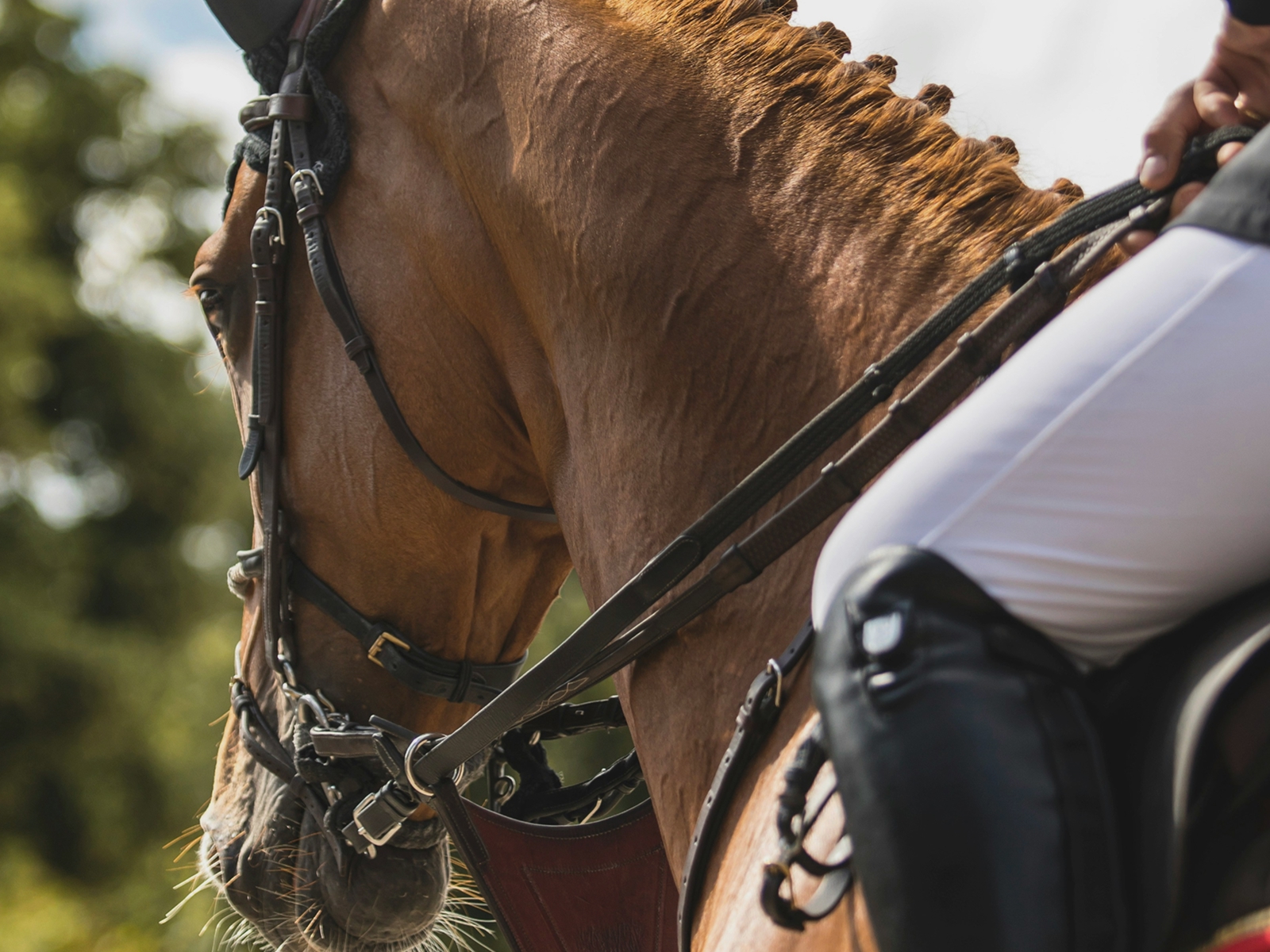
The creative direction began with the qualities that had given the business its standing: specialist knowledge, practical experience, reliability and an authentic connection to the equestrian world. These were not attributes that needed to be invented through branding; they already existed within the business and its relationships. The task was to express them more clearly, moving away from a presentation shaped by years of incremental additions towards an identity with greater purpose and consistency. Rather than relying on familiar equestrian symbols or an exaggerated sense of heritage, the direction drew its character from the standards, materials and working culture of the sector itself. A refined typographic identity established a recognisable foundation, supported by a restrained visual language that balanced traditional references with contemporary clarity. Photography was directed towards the relationship between horse and rider, the details of equipment and the environments in which the business operated, favouring authenticity over highly stylised imagery. The verbal identity adopted a knowledgeable, straightforward tone, communicating expertise without unnecessary formality or technical language used simply to demonstrate authority. Together, these decisions created a brand that felt established without appearing dated, and distinctive without losing the familiarity that existing customers valued. The emphasis was on progression rather than reinvention, allowing the business's history to remain an asset while establishing a clearer direction for its future.
Experience
Experience
The brand was developed across the points at which customers encounter, evaluate and interact with the business, recognising that an equestrian specialist must often communicate both emotional connection and practical credibility. The digital experience brought greater structure to the presentation of products, services and expertise, helping visitors understand the breadth of the business while making relevant information easier to find. Photography and editorial content gave space to the people, knowledge and relationships behind the operation, providing a more meaningful introduction than a conventional catalogue of offerings. The interface was designed to feel assured and approachable, balancing the expectations of experienced customers with the needs of those less familiar with the sector. The same direction extended into printed communications, product presentation, packaging and the physical environment. Materials were developed with an emphasis on clarity, quality and suitability for their purpose, allowing the brand to feel consistent without becoming overly formal or precious. Signage, stationery and customer communications reinforced the identity in quieter ways, while the tone of service remained personal and grounded in the practical expertise customers expected. The experience was shaped around the reality that trust in this market is rarely established by appearance alone. It emerges through accurate advice, dependable service and the confidence that comes from dealing with people who understand the subject. The role of design was to support those qualities, making the business easier to recognise, navigate and engage with while preserving the human relationships at its centre.
Outcome
Outcome
The completed brand and experience framework established a more confident expression of the business, bringing its visual identity, communications and customer touchpoints into closer alignment with the reputation it had developed over time. By retaining the qualities that made the business recognisable while introducing a clearer and more flexible design language, the work created a foundation capable of supporting new products, services and audiences without requiring the business to abandon its established character. The result was not a departure from its heritage, but a more coherent way of presenting that heritage alongside the expertise and ambition of the business today. The wider value of the work lies in the relationship between trust and relevance. An established reputation is a significant advantage, but it cannot be assumed that new customers will recognise its value without the same years of personal experience and recommendation. A stronger brand helps make that expertise visible earlier, while a clearer customer experience gives people greater confidence in what the business offers and how it operates. In a sector where relationships matter deeply and credibility is earned rather than claimed, the most effective form of modernisation is one that strengthens what already makes the business worth choosing.