Anonymised strategic case study
An experience worth returning to
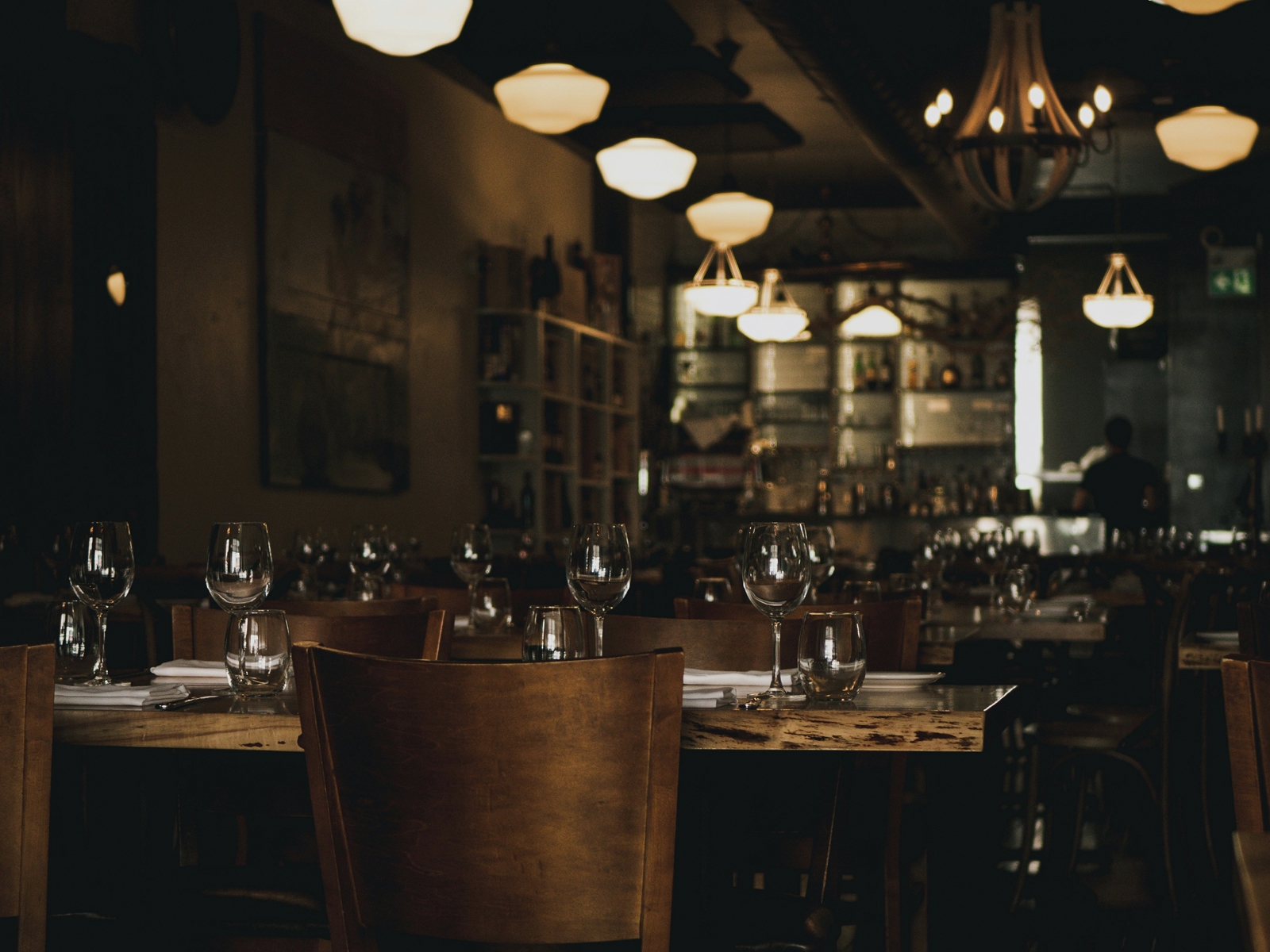
An exceptional restaurant offers more than remarkable food. Its character is revealed through the atmosphere it creates, the way it welcomes guests and the details that stay with them long after the evening ends. For a fine-dining destination, the challenge was to establish a distinctive identity and guest experience that brought those qualities together, creating anticipation before arrival and a lasting impression beyond the table.
Opportunity
Opportunity
Fine dining has always been shaped by more than what arrives on the plate. The quality of the cooking may establish a restaurant's reputation, but the experience surrounding it influences how that reputation is understood, shared and remembered. From the first recommendation or online discovery to the reservation, arrival and final moments of service, guests encounter a series of signals about the character of the restaurant and the standards they can expect. When those interactions are disconnected, even an exceptional kitchen can find itself represented by a brand and guest experience that fail to express what makes the business distinctive. The opportunity was to establish a stronger relationship between the restaurant's culinary philosophy and everything guests encountered around it. In a market where beautiful interiors, ambitious menus and polished photography have become increasingly familiar, distinction could not depend on conventional expressions of exclusivity alone. The identity needed to communicate a genuine point of view, reflecting the restaurant's approach to ingredients, hospitality and atmosphere while remaining flexible enough to work across digital communications, printed materials and the physical environment. More importantly, the experience needed to feel natural and coherent, allowing guests to recognise the same character at every stage without becoming overly conscious of the design behind it.
Approach
Approach
The creative direction began with the restaurant's approach to hospitality rather than its visual identity. The most compelling dining experiences have an internal logic: the food, environment and service belong to the same world, even when their individual expressions are very different. Establishing that relationship provided the foundation for the brand, creating a distinct personality informed by the restaurant's culinary ambition, sense of place and approach to welcoming guests. Rather than borrowing from the familiar visual language of luxury hospitality, the identity was developed to express confidence through simplicity, allowing the quality of the restaurant itself to remain the principal source of interest. Typography, colour and composition were selected to establish a recognisable visual character without overwhelming the food or interior. Photography focused on ingredients, preparation, material detail and the atmosphere of the dining room, balancing the precision of the kitchen with the warmth and energy of hospitality. The written voice adopted a similarly direct approach, communicating the restaurant's philosophy and seasonal offering without resorting to elaborate descriptions or unnecessary claims of distinction. Together, these elements created a flexible identity capable of moving between the intimacy of a printed menu, the immediacy of a digital reservation and the more expressive world of editorial and campaign imagery. The intention was to create a brand with enough personality to be remembered, but enough restraint to let the restaurant speak for itself.
Experience
Experience
The guest experience was developed as a continuous journey, beginning with the moments in which someone first discovers the restaurant and forms an expectation of what a visit might offer. The website introduced its character through carefully directed imagery, clear editorial content and an uncomplicated route to reservations, giving prospective guests enough information to feel confident without attempting to recreate the entire dining experience on screen. Menus, opening information, dietary enquiries and practical details were given the same attention as the visual presentation, recognising that the quality of hospitality is often apparent in how easily a business anticipates and answers a guest's needs. Reservation confirmations and pre-arrival communications extended the restaurant's tone of voice, establishing a sense of welcome before the evening began. Within the restaurant, the identity became quieter and more tactile. Menus, wine lists, stationery, signage and other printed materials were developed in relation to the interior architecture, lighting and materials, allowing the brand to sit naturally within the environment rather than compete with it. The experience also accounted for the moments that surround the meal itself, from arrival and orientation to the presentation of the bill and the communication that follows a visit. Each touchpoint had its own practical purpose, but together they reinforced a consistent impression of care, confidence and attention to detail. The result was an experience in which digital, physical and personal interactions supported the same character, creating continuity without making the restaurant feel rehearsed or overly controlled.
Outcome
Outcome
The completed brand and guest experience framework established a more distinctive expression of the restaurant, connecting its culinary identity with the communications, environments and interactions that shape how people experience it. The work provided a coherent foundation for digital presentation, reservations, printed materials and physical touchpoints, allowing the restaurant's character to remain recognisable across different settings without imposing unnecessary uniformity. By treating hospitality as an experience that begins before arrival and continues beyond the meal, the creative direction extended the restaurant's identity into moments that are easily overlooked but often influential in shaping a guest's impression. For a restaurant operating at this level, reputation is built through a combination of excellence and consistency. Guests may arrive because of the food, a recommendation or the promise of a particular atmosphere, but their lasting impression is formed by the experience as a whole. The significance of the work lay in bringing those different elements into a closer relationship, giving the restaurant a clearer identity and a stronger foundation for expressing what makes it worth visiting. An exceptional meal may be the centre of the experience, but the reasons people remember a restaurant, recommend it and choose to return are rarely confined to the plate.