One of the questions I'm asked most often when a business first gets in touch is "do you think we need a new logo?”. Sometimes the owner has been looking at the same identity for years and feels it no longer reflects the quality of what they offer. Sometimes the business has grown, changed direction or started attracting a different kind of customer. And sometimes somebody has simply suggested that the logo looks dated, leaving the people responsible for the business wondering whether a redesign is overdue. These are all perfectly reasonable reasons to begin a conversation, but they don't necessarily mean a new logo is the answer. In fact, one of the most valuable things an experienced creative director can do at this stage is resist the temptation to start designing and instead establish what is really prompting the question.
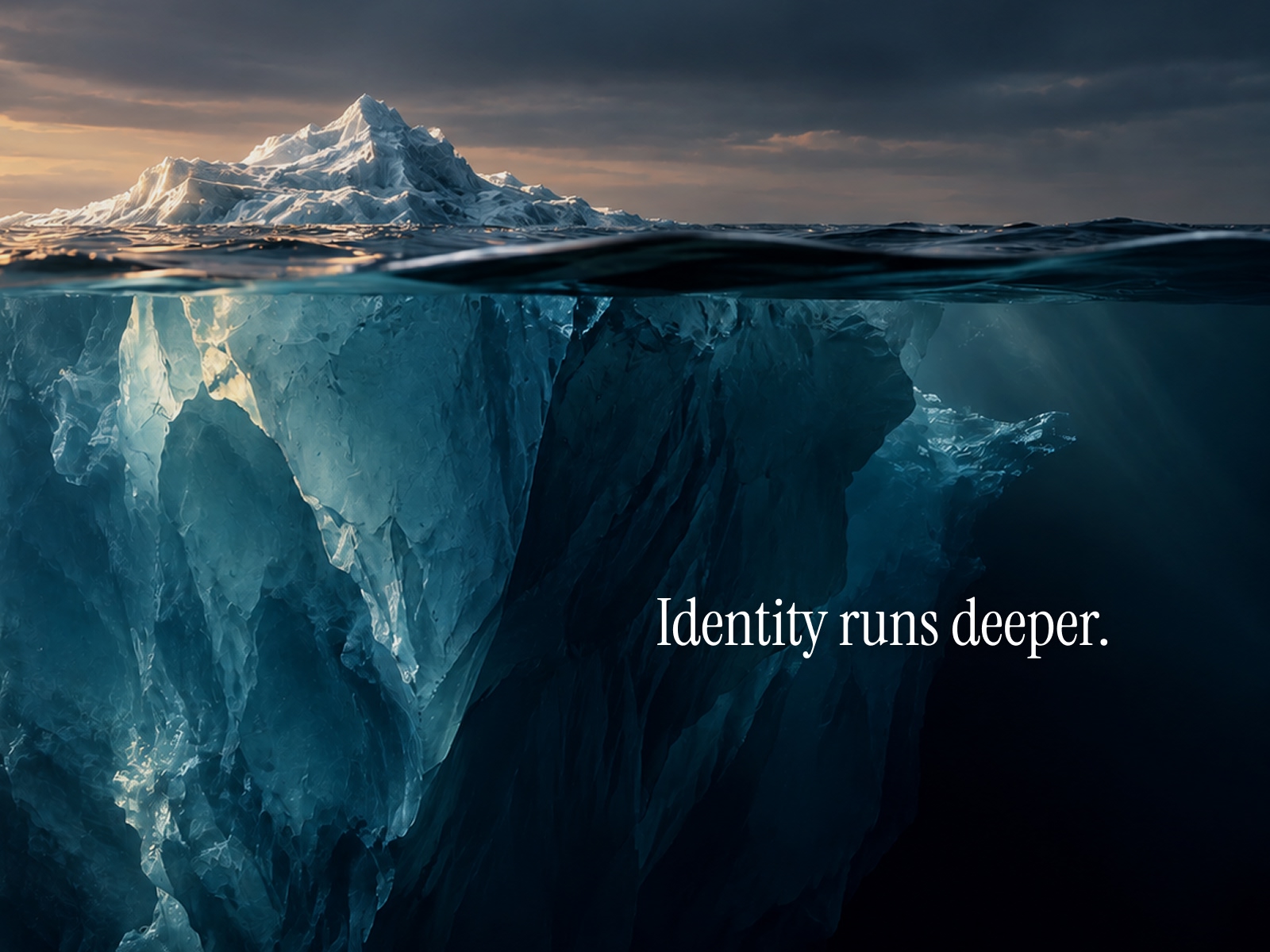
A logo is an important part of a business's identity, but it is not the identity in its entirety, and it certainly isn't the brand itself. A brand is shaped by the expectations people have, the experiences they encounter and the reputation a business develops over time. It exists in the way a company presents itself, the language it uses, the quality of its products or services, the way its people communicate and the confidence customers feel when choosing it. The logo is one of the most recognisable expressions of all this, but changing it without understanding the wider picture can amount to little more than giving the business a different signature while leaving everything else exactly as it was.
Start with the business, not the artwork.
Before recommending any changes to a visual identity, I want to understand the business behind it. Where has it come from, where is it heading and what has changed since its identity was first created? Who are its customers today, and are they the same people it wants to attract tomorrow? What does it do particularly well, what makes it genuinely different and how would it like to be perceived within its market? These questions aren't an elaborate prelude to the design work. They are the foundations of it, because the answers help establish whether the existing identity is holding the business back, whether its positioning needs to be clarified or whether the real opportunity lies somewhere else entirely.
It's also important to understand the competitive landscape. A business doesn't exist in isolation, and the way it presents itself will always be interpreted alongside the alternatives available to its customers. Looking at competitors can reveal visual conventions that have become almost interchangeable across a sector, opportunities to communicate a more distinctive point of view or inconsistencies between a company's aspirations and the way it currently appears. This isn't about copying what successful competitors are doing or automatically trying to look more expensive. It's about understanding the expectations of the audience and finding a credible, compelling position that belongs to the business itself. A family-run company with generations of history may have very different strengths to an ambitious new entrant, and the identity should make the most of those differences rather than flattening them into the same fashionable aesthetic.
Positioning gives the identity something meaningful to express.
Brand positioning is sometimes made to sound unnecessarily complicated, but at its heart it is about establishing what a business wants to be known for, who it is best placed to serve and why someone should choose it over the alternatives. It brings together the commercial reality of the organisation with the perceptions and expectations of its audience, creating a clear foundation for the decisions that follow. Without that clarity, a visual identity can easily become a collection of personal preferences: a colour somebody likes, a typeface that feels fashionable or a logo inspired by something seen elsewhere. Those choices might produce attractive artwork, but they don't necessarily help the business communicate more effectively or build a stronger reputation.
When the positioning is clear, the creative direction becomes much more purposeful. We can establish the character the identity needs to convey, the balance between familiarity and distinction, the tone of the language and the visual qualities that will support the business's ambitions. A premium residential developer may need to communicate architectural confidence, quality and a particular sense of place, while a specialist automotive business might need to balance technical expertise with an appreciation of craftsmanship and heritage. A growing technology company may need to make a complex proposition feel approachable and trustworthy. Each requires a different response, and that response should emerge from an understanding of the business rather than a preconceived visual style.
Sometimes the logo is the least of the problem.
I've encountered businesses where the logo itself is perfectly serviceable, but the way it is used creates a very different impression. The website may feel disconnected from the printed materials, the photography may not reflect the quality of the offering, the typography may change from one communication to another and the language may struggle to explain what makes the business distinctive. In these circumstances, commissioning an entirely new logo can be an expensive distraction from the areas that would make a more meaningful difference. Bringing greater consistency, refinement and direction to the wider identity may be enough to transform how the business is perceived, often while retaining the recognition and goodwill already associated with its existing mark.
There are also occasions when an identity has simply reached the limits of what it can do. Perhaps the business has evolved beyond its original market, the visual language no longer reflects its ambitions or the logo has practical limitations that make it difficult to use across modern digital and physical applications. In those situations, a redesign may be entirely justified, but the decision should follow an understanding of the wider requirements. It might lead to a sensitive evolution that preserves familiar characteristics, a more comprehensive identity refresh or an entirely new direction. The important distinction is that the extent of the work is determined by what the business needs, not by an assumption that every brand project must begin with a blank page.
An identity has to work beyond the presentation.
One of the reasons I place so much emphasis on the wider brand system is that businesses rarely encounter their customers through a logo alone. They are experienced through websites, brochures, proposals, advertisements, business cards, packaging, signage, social communications and the countless smaller interactions that collectively shape an impression. An identity needs to work across those environments, adapting to different formats while retaining a recognisable character. A beautiful logo presented on a carefully styled mock-up is only the beginning; the real test comes when the identity has to communicate consistently across the everyday requirements of the business.
This is where the relationship between strategy, creative direction and practical design experience becomes particularly valuable. Decisions about typography, colour, imagery, layout, language and application need to support one another, but they also need to be realistic for the people who will use the identity long after the initial project is complete. A business with a small internal team may need a straightforward, flexible system that can be applied confidently without constant design support, while a larger organisation may require more extensive guidance across multiple departments and customer touchpoints. Neither approach is inherently better. The right solution is the one that gives the business the tools to present itself with consistency and confidence, without introducing unnecessary complexity.
The right answer might be less work than you expect.
I believe part of providing good creative direction is being willing to recommend a smaller intervention when that's what the situation calls for. Not every business needs a complete rebrand, and not every concern about an existing logo is evidence of a fundamental identity problem. Sometimes a focused review reveals that the business needs clearer messaging, better photography, a more coherent website or a stronger approach to its marketing materials. Sometimes a modest refinement to the typography, proportions or application of the existing identity can make a remarkable difference. And sometimes the discovery process confirms that a more substantial change is needed to support the next stage of growth. Each outcome is useful because it replaces uncertainty with a clearer understanding of where time and investment will have the greatest value.
That is also why I prefer to begin these projects with a conversation rather than a predetermined design package. Working directly with a business allows me to understand its circumstances, ask the questions that matter and offer an experienced perspective on the opportunities ahead. From there, we can agree on an appropriate scope of work, whether that's an initial brand review, a refinement of the existing identity, a clearer positioning and messaging framework or a complete brand identity programme. The objective isn't to make the process larger or more complicated than necessary. It's to make sure the creative work addresses the right problem and gives the business something genuinely valuable to build upon.
If you've been wondering whether your logo needs improving, if your business has evolved beyond the identity it started with, or if you're simply unsure whether the way you present yourself reflects the quality of what you offer, I'd be pleased to have that conversation. You don't need to know whether you require a refresh, a rebrand or something altogether different before getting in touch. Establishing that is part of the work, and often one of the most important parts. A stronger brand begins with understanding what makes the business worth choosing; the visual identity should help the world recognise it.